
The Key Considerations to Keep In Mind When Reading Marked Cards in Poker
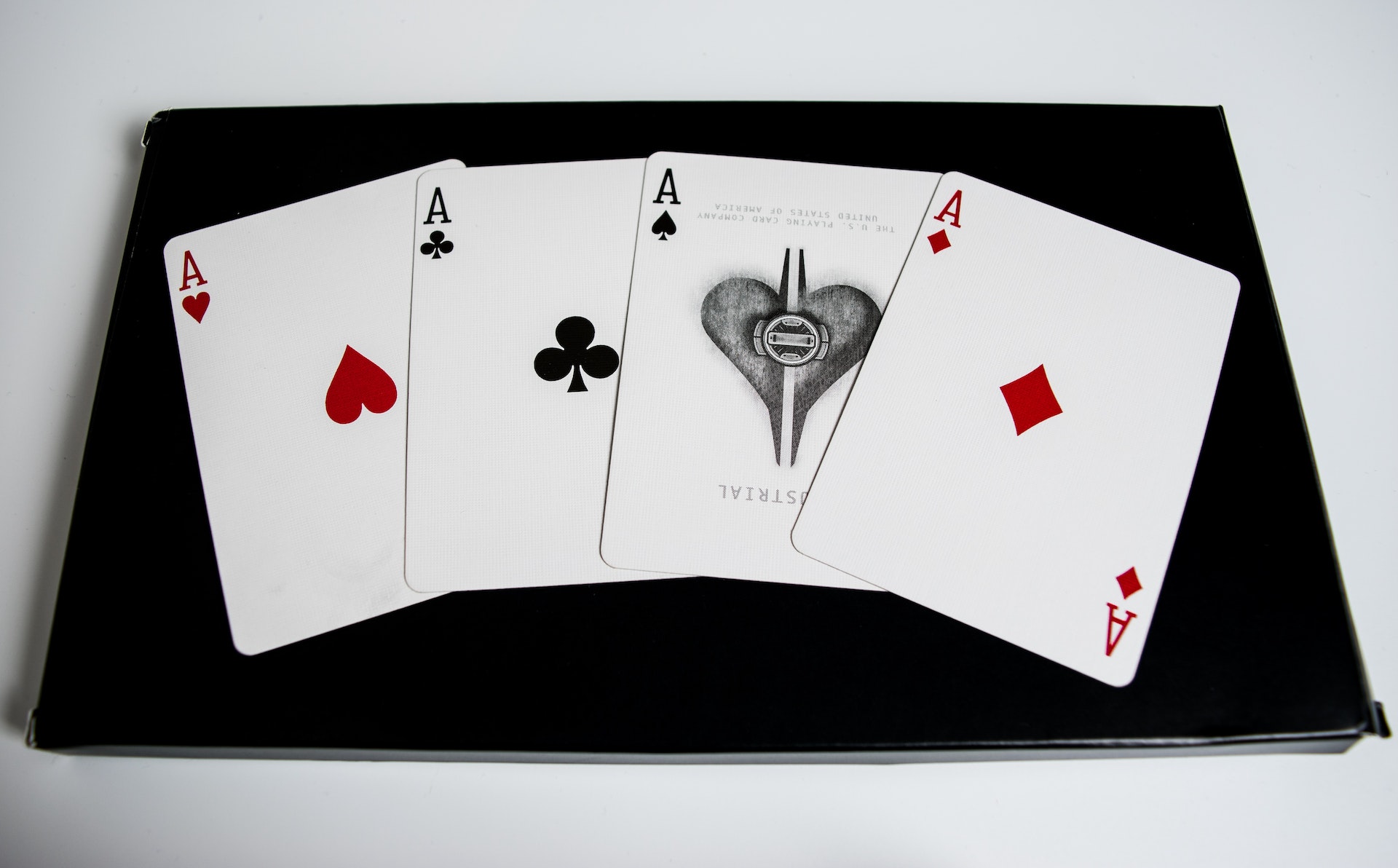
Marked cards have become a popular tool used by poker players to gain an advantage over their opponents. Marked cards have subtle markings on the back that allow players to identify specific cards and improve their chances of winning. However, reading marked cards is not as simple as it seems. In this discussion, we will explore the major considerations you need to keep in mind when reading marked cards in poker. You can find out more here to know the special features in marked cards to ensure you comfortably play and be a smooth winner in all games.
Type of Marking
There are different types of markings on marked cards, such as luminous ink, juice, or dye. Each type of marking requires a different technique to read. For example, luminous ink requires a filter or special glasses to see, while juice or dye markings can be read with the naked eye. Understanding the type of marking on the cards is the first consideration when reading marked cards.
Lighting Conditions
 The lighting conditions in which the cards are being used can significantly impact the visibility of the markings. For instance, if the room is too bright, the markings may be difficult to see. On the other hand, if the lighting is too dim, the markings may be visible but not clear enough to identify specific cards. It’s essential to practice reading marked cards in various lighting conditions to become proficient in identifying the markings.
Familiarity With Markings
Becoming familiar with the specific markings on the cards is another important consideration when reading marked cards. Different markings may indicate different cards, and it’s essential to be able to recognize each one quickly. It’s also important to note that some marked cards may have more than one marking, making it crucial to identify which marking corresponds to a specific card.

Angle and Distance
The angle and distance from which you view marked cards can also impact your ability to read them accurately. Viewing the cards from afar or at an angle may cause the markings to appear blurry or distorted, making it challenging to identify specific cards. It’s crucial to position yourself correctly and maintain a consistent distance and angle when reading marked cards to minimize errors.
In conclusion, reading marked cards in poker requires skill and practice. The considerations discussed in this discussion are the type of marking, lighting conditions, angle and distance, and familiarity with markings. Understanding the type of marking on the cards and practicing reading them in different lighting conditions can improve your ability to identify specific cards accurately.


 Stud poker is one of the oldest poker variations and remains a popular choice among players. It is played with seven cards, with five shared between all players and two dealt face down to each player. Players make their best 5-card hand using the seven cards available. There are several different types of Stud games, including Seven-Card Stud, Five-Card Stud, and Razz.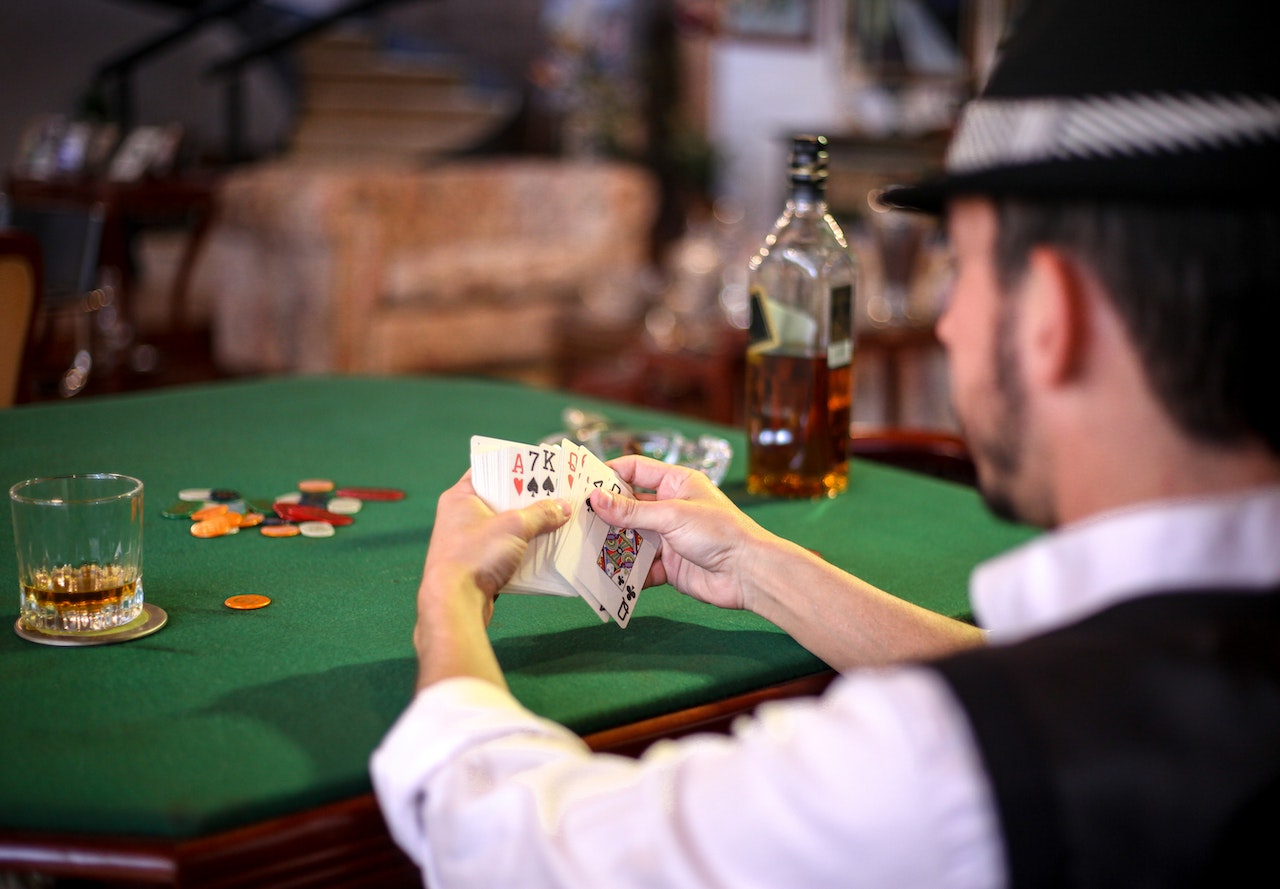

 Last but not least, remember to have fun. Poker is a game, and it should be treated as such. Please don’t take it too seriously, and don’t get too upset when you lose. Poker is meant to be enjoyed, so ensure you’re doing just that. Following these tips, you’ll be well on your way to becoming a winning poker player. Just remember to practice, be patient, and have fun. Poker is fun and exciting, but it’s important to remember.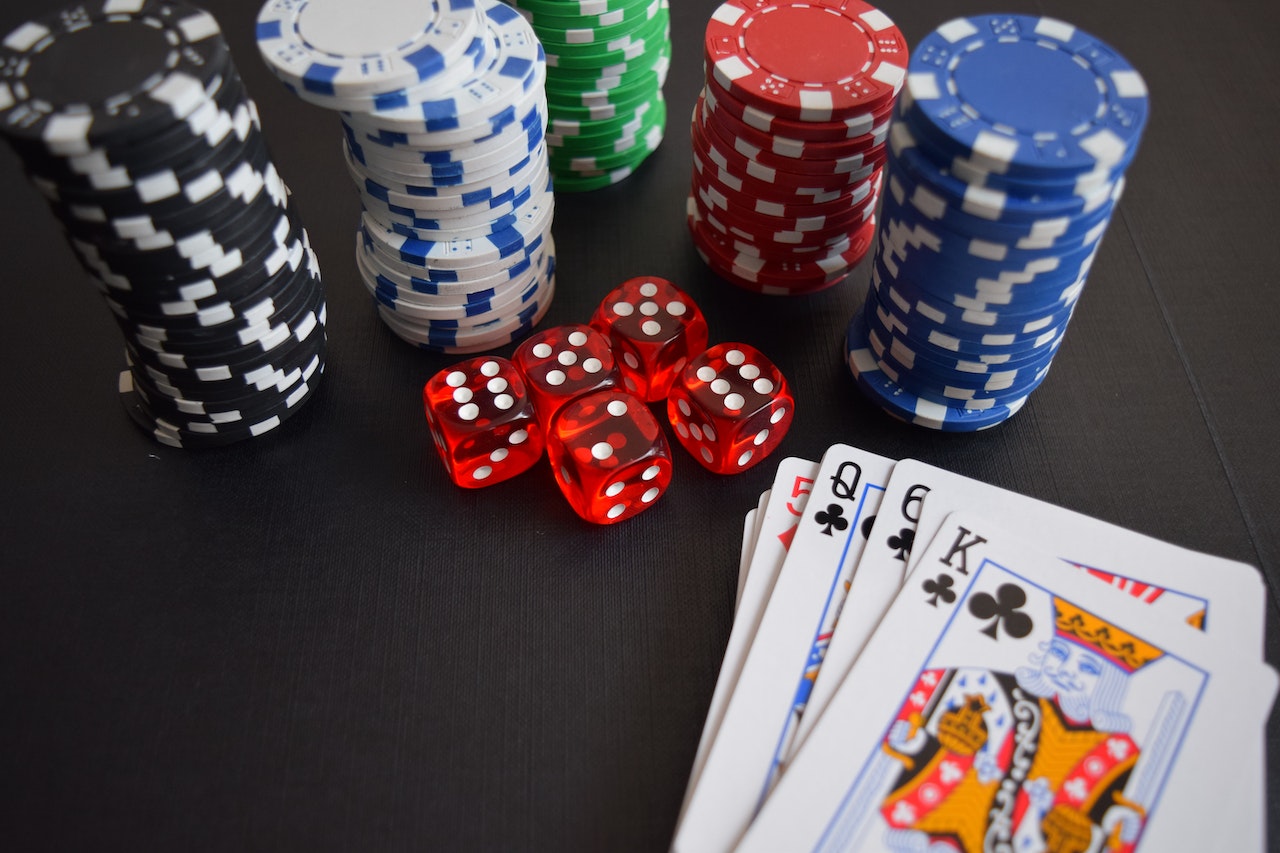
 One of the biggest mistakes that tournament players make is continuation betting for every hand. Just because you raised preflop doesn’t mean you have to continuation bet on the flop. In fact, sometimes it’s better not to. Continuation betting is when you bet after raising preflop, even if you didn’t hit the flop. For example, if you raise preflop with A-Q and the flop comes J-8-2, you would continuation bet even though you didn’t hit anything.
 The big blind is one of the most important positions in
  Another common mistake tournament players make is going overboard when stealing the blinds. Just because you have a chance to steal the blinds doesn’t mean you should go all in every time. In fact, if you’re too aggressive with your blind steals, you’re going to get called a lot more often than you’d like. The best way to steal the blinds is to make a standard raise. If you’re in late position and the blinds are 10bb/20bb, you should raise to 60bb.
 In June of this year, Chris Ferguson finally returned to the World Series of Poker after a seven-year absence. Ferguson was one of the executives indicted on Black Friday. He reached a settlement with the DOJ in 2016 and was not criminally charged. However, he was banned from playing at WSOP events run by Caesars Entertainment – the company that owns the WSOP – until this year. Ferguson’s return was met with mixed reactions from the poker community. Some were happy to see him back, while others felt he should have waited longer before returning to the WSOP.
 To win a poker tournament, the first thing you can do is play your starting hands well. This means knowing which hands to play and how to play them. It also means knowing when to fold. Many players make the mistake of playing too many hands, which allows their opponents to outplay them. So be selective with your starting hands and only play the most potential ones. To know which hands to play, you need to familiarize yourself with hand rankings. It is crucial because it will help you determine how strong or weak your hand is concerning your opponent’s hands.
 Have you ever heard of the term stack size? It is the number of chips that you have in front of you. In a poker tournament, it is essential to be aware of your stack size at all times. It is because your stack size will determine how you play your hand. For example, if you have a small stack, you will be more likely to play conservatively and fold. On the other hand, you can be more aggressive and take more risks if you have a large stack. Knowing when to switch up your playstyle is key to success in a poker tournament.